Journal of Geo-information Science >
Research Progress on Policing Strategy of Crime Prevention and the Evaluation of Its Effectiveness in Space and Time
Received date: 2020-08-22
Revised date: 2020-10-25
Online published: 2021-03-25
Supported by
Research Team Program of Natural Science Foundation of Guangdong Province, China(2014A030312010)
National Natural Science Foundation of China(41901177)
Natural Science Foundation of Guangdong Province, China(2019A1515011065)
Key Project of Science and Technology Program of Guangzhou City, China(201804020016)
National Key Research an Development Program of China(2018YFB0505500)
National Key Research an Development Program of China(2018YFB0505503)
Key Program of National Natural Science Foundation of China(41531178)
Copyright
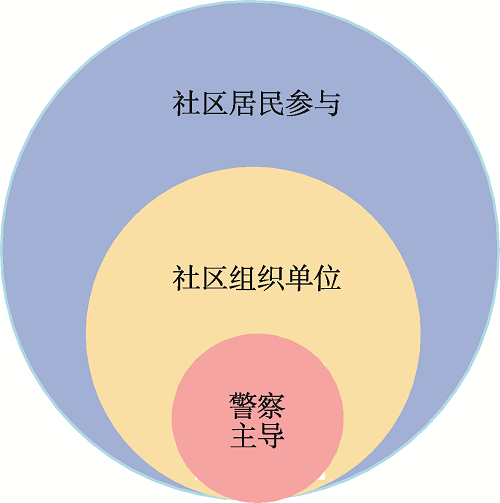
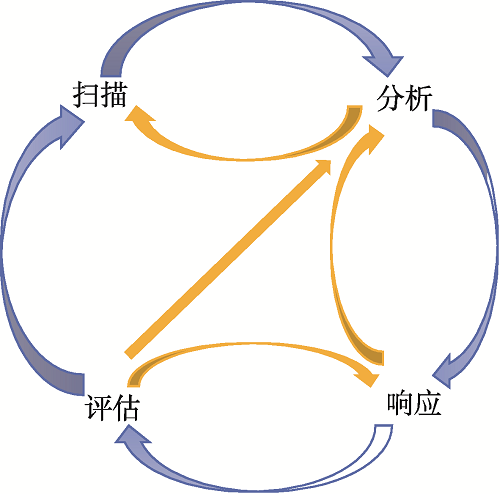
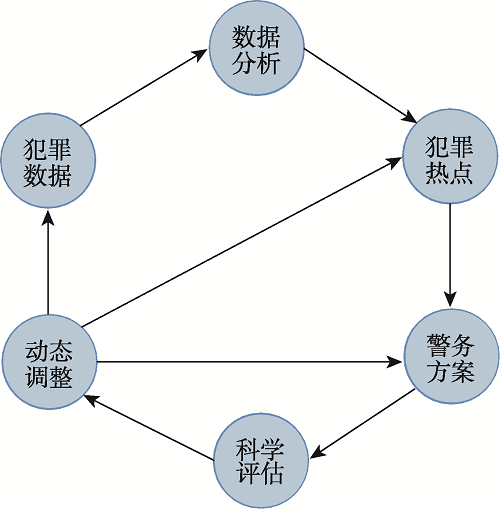
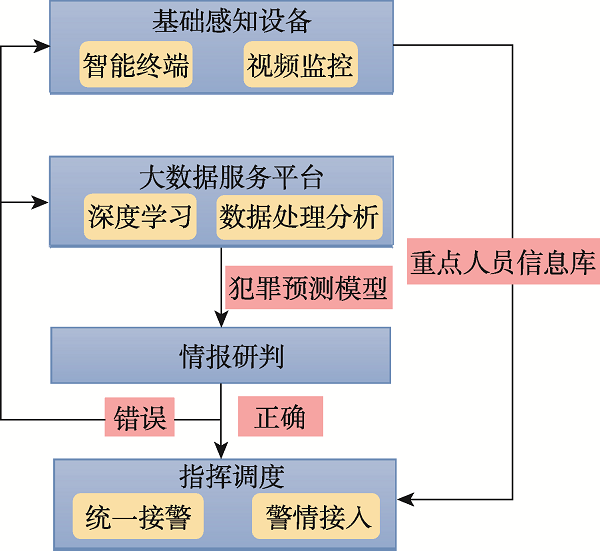
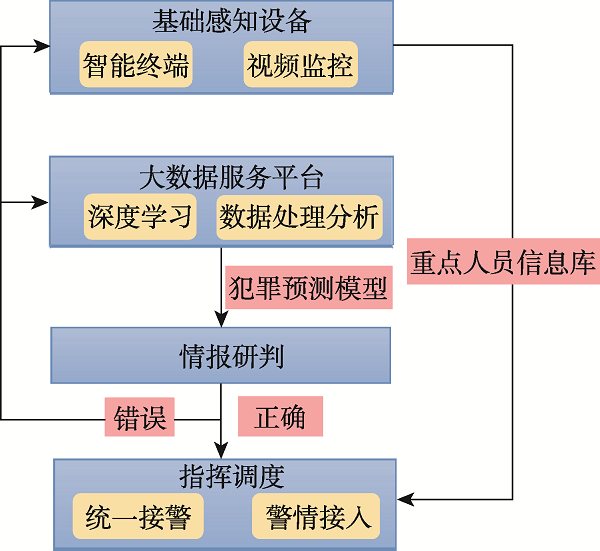
Policing strategy of crime prevention is one of the important topics in crime geography.This paper systematically reviews the development and progress of policing strategy from three aspects: the characteristics of different types of crime prevention policing strategies, crime prevention experiments and the evaluation of crime prevention effectiveness. Our research shows that: ① Community policing, problem-oriented policing , hot spots policing and intelligent policing are the four main types of crime prevention policing strategies. Community policing takes the community as a unit and reduces crime through cooperation between the police and the local residents; Problem-oriented policing aims at identifying and solving social problems through a structured approach named SARA (Scanning, Analysis, Response, Assessment). Hot spots policing makes policing plan based on crime hot spots, and intervenes crime hot spots to reduce crime. Intelligent policing uses advanced technologies such as big data and artificial intelligence for more effective policing prevention. ② Crime prevention experiments compare the changes of crime before and after the intervention of police strategy between the experimental group and the control group. Most policing experiments are mainly focused on hot spots policing, which typically reduces crime in the experimental area, but may displace crime or diffuse the benefits of crime reduction to the neighboring areas; ③ Traditional police prevention evaluation mainly considers three aspects: detection rate, public security perception and social and economic benefit. To evaluate the effect of crime displacement or benefits diffusion, scholars put forward Weighted Displacement Quotient (WDQ), Spatio-Temporal Weighted Displacement Quotient (STWDQ), Difference in Differences (DID), Propensity Score Matching (PSM),integration of DID and PSM(PSM-DID)and DID-based quadrant method to measure the space-time benefits of policing strategies. In sum,while there exist abundant international research on policing strategy about crime prevention and evaluation of their space-time benefit such research in China still remain in its infancy. In the end, this paper further discusses the direction of future research on China's policing strategy.
LIU Lin , WU Yuhan , SONG Guangwen , XIAO Luzi . Research Progress on Policing Strategy of Crime Prevention and the Evaluation of Its Effectiveness in Space and Time[J]. Journal of Geo-information Science, 2021 , 23(1) : 29 -42 . DOI: 10.12082/dqxxkx.2021.200482
表1 加权位移商的解读[65]Tab.1 Interpretation of the Weighted Displacement Quotient |
| WDQ值 | 代表含义 |
|---|---|
| WDQ≥1 | 目标区犯罪下降,效益扩散到周边地区且大于直接影响 |
| 0<WDQ<-1 | 目标区犯罪下降,出现效益扩散但小于直接影响 |
| WDQ=0 | 既没有犯罪转移也没有效益扩散 |
| -1<WDQ<0 | 目标区犯罪下降,周边地区出现小部分的犯罪转移 |
| WDQ≤-1 | 目标区犯罪下降,犯罪转移到周边地区但小于直接影响 |
表2 警务策略时空效益评估的方法Tab.2 Evaluation method of time and space effectiveness of police strategy |
| 时空效益评估方法 | 定义 | 应用场景 | 评价 |
|---|---|---|---|
| 加权位移商(WDQ) | 通过设置目标区、缓冲区和控制区,并对比它们在干预前后的警情变化,以研究犯罪转移的一种方法 | 评估空间犯罪转移和效益扩散 | WDQ能有效判断研究区是否存在犯罪转移或效益扩散。但存在时空间局限和比值计算限制的缺点 |
| 时空加权位移商(STWDQ) | 基于WDQ改进,增加时空间因素,以研究较大时空尺度下犯罪转移的一种方法 | 评估时空间犯罪转移和效益扩散 | 研究尺度宽,时间周期长,能够评估较大的时空间尺度下的犯罪转移或效益扩散现象,是WDQ的进一步改良 |
| 双重差分法(DID) | 通过对比政策实施前后或环境变化前后对照组和实验组的差异,评估政策效应或环境变化影响的一种方法 | 评估干预政策或环境变化对犯罪的影响 | 评估警务政策或环境变化前后的防控效果。但受到时间效应影响,且难以进行随机分组实验 |
| 倾向评分匹配法(PSM) | 通过对实验组和对照组进行筛选和匹配,使筛选出的研究对象在潜在的复杂因素中具有可比性的一种统计学方法 | 用于控制混杂变量,随机分组实验的匹配问题 | 能够更合理比较实验组和对照组的差异。但要求较大的样本容量;无法完全控制不可测变量,可能会导致偏误 |
| 双重差分倾向评分匹配(PSM-DID) | 将双重差分与倾向评分匹配结合,用于处理分别来自2个不同区域的目标组和控制组的方法 | 科学选择目标组和控制组,评估干预政策或环境变化对犯罪的影响 | 结合了DID和PSM的优点,可控制不可观测但不随时间变化的组间差异;解决样本选择问题 |
| 基于双重差分的象限法 | 是一种基于目标区和缓冲区DID值构建散点图,并根据它们DID值的大小及正负判断犯罪时空效益的方法 | 直观评估评干预政策或环境变化对犯罪的影响 | 解决了双重差分方法不直观的不足,是双重差分的进一步扩充 |
| [1] |
|
| [2] |
National Academies of Sciences E, Medicine. Proactive policing: Effects on crime and communities[M]. Valencia: National Academies Press, 2018.
|
| [3] |
|
| [4] |
姜超, 柳林 . 中国犯罪地理与警务GIS研究进展[J]. 地球信息科学学报, 2013,15(6):801-808,853.
[
|
| [5] |
|
| [6] |
肖露子, 柳林, 宋广文 , 等. 基于理性选择理论的社区环境对入室盗窃的影响研究[J]. 地理研究, 2017,36(12):2479-2491.
[
|
| [7] |
|
| [8] |
|
| [9] |
|
| [10] |
|
| [11] |
|
| [12] |
|
| [13] |
|
| [14] |
张兆端 . “智慧警务”:大数据时代的警务模式[J]. 公安研究, 2014(6):19-26.
[
|
| [15] |
熊一新 . 中外社区警务之比较[J]. 公安大学学报(社会科学版), 1999(1):52-58.
[
|
| [16] |
|
| [17] |
|
| [18] |
|
| [19] |
|
| [20] |
程建新, 刘军强, 王军 . 人口流动、居住模式与地区间犯罪率差异[J]. 社会学研究, 2016,31(3):218-241,246.
[
|
| [21] |
|
| [22] |
|
| [23] |
|
| [24] |
|
| [25] |
|
| [26] |
杨学锋 . 犯罪学视域中的问题导向警务[J]. 中国人民公安大学学报(社会科学版), 2019,35(6):17-24.
[
|
| [27] |
|
| [28] |
|
| [29] |
迈克尔·沃恩,夏文婕,沈宜嘉.问题导向警务——21世纪警务新理念[J]. 公安学刊(浙江警察学院学报), 2010(2):72-76.
[
|
| [30] |
|
| [31] |
吴玲 . 美国热点警务模式:经验、教训和启示[J]. 三峡大学学报(人文社会科学版), 2014,36(3):26-31.
[
|
| [32] |
|
| [33] |
杨学锋 . 热点警务的犯罪学理论基础及实践评估[J]. 中国人民公安大学学报(社会科学版), 2018,34(3):33-39.
[
|
| [34] |
郑海, 杨涵 . 犯罪热点研究进展综述[J]. 犯罪研究, 2014(6):102-110.
[
|
| [35] |
|
| [36] |
|
| [37] |
|
| [38] |
|
| [39] |
|
| [40] |
潘仲赢 . 基于机器学习算法的犯罪预警系统设计与实现[D]. 成都:电子科技大学, 2019.
[
|
| [41] |
何巍 . 基于机器学习的犯罪预测综述[J]. 科学技术与工程, 2019,19(36):37-43.
[
|
| [42] |
柳林, 刘文娟, 廖薇薇 , 等. 基于随机森林和时空核密度方法的不同周期犯罪热点预测对比[J]. 地理科学进展, 2018,37(6):761-771.
[
|
| [43] |
|
| [44] |
王斌君, 张培林 . 社区智慧警务体系研究[J]. 警察技术, 2019,24(6):22-25.
[
|
| [45] |
|
| [46] |
|
| [47] |
|
| [48] |
|
| [49] |
|
| [50] |
公安部 . 中国公众安全感现状调查及分析[J]. 社会学研究, 1989,3(6):35-42.
[
|
| [51] |
夏德才 . 建立以公众安全感为核心的社会治安评估体系探析[J]. 公安研究, 2009,2000(12):16-20,63.
[
|
| [52] |
|
| [53] |
|
| [54] |
|
| [55] |
|
| [56] |
|
| [57] |
|
| [58] |
|
| [59] |
|
| [60] |
|
| [61] |
|
| [62] |
|
| [63] |
|
| [64] |
刘思思 . 国外街区警务相关研究以及对我国的启示[J]. 科教导刊(中旬刊), 2019,10(5):153-154.
[
|
| [65] |
|
| [66] |
|
| [67] |
柳林, 姜超, 李璐 . 警用视频监控的犯罪防控效果及空间差异——以苏州市姑苏区为例[J]. 地理科学, 2019,39(1):61-69.
[
|
| [68] |
|
| [69] |
Orley, Ashenfelter, David, et al. Using the longitudinal structure of earnings to estimate the effect of training programs[R]. National Bureau of Economic Research, 1985.
|
| [70] |
|
| [71] |
|
| [72] |
|
| [73] |
|
| [74] |
李璐 . 警用治安视频监控的犯罪防控效果研究——以苏州市姑苏区为例[D]. 广州:中山大学, 2018.
[
|
| [75] |
|
/
| 〈 |
|
〉 |